
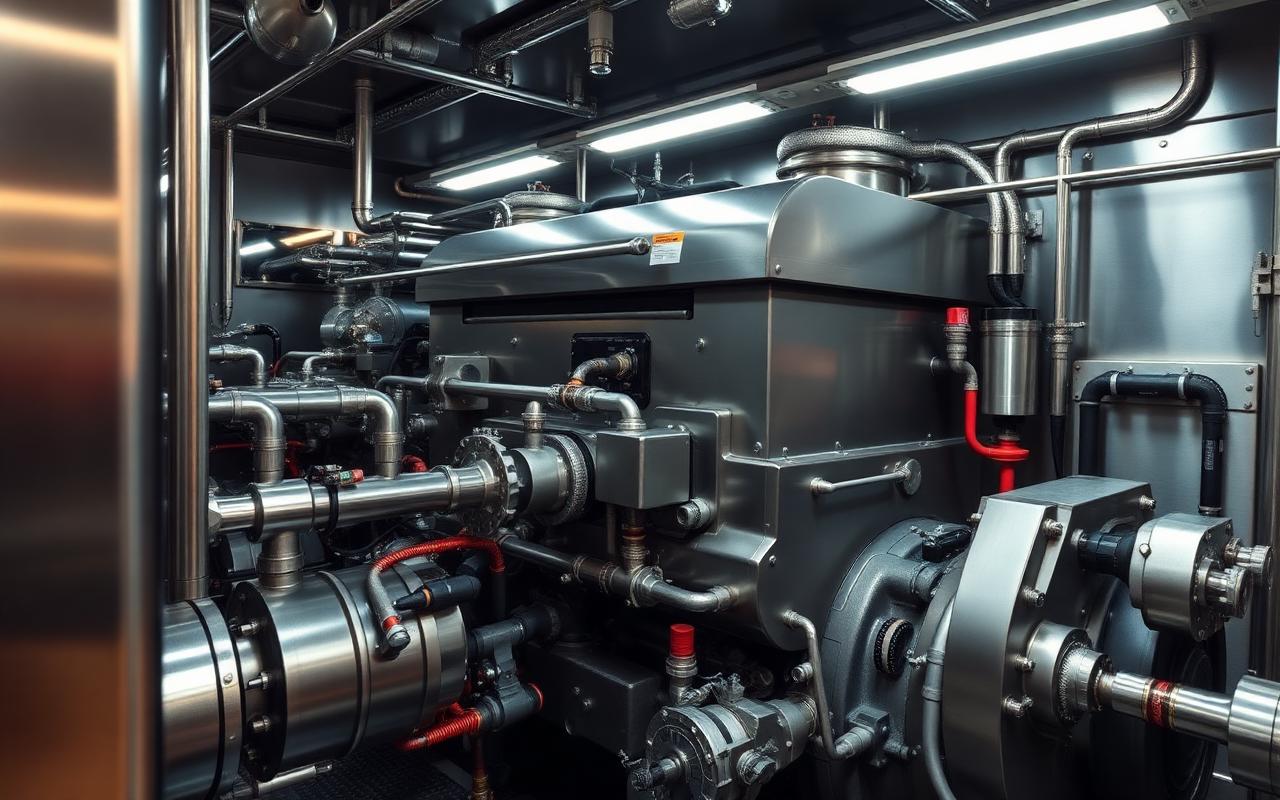
Hydrogen combustion enhancement for marine diesel.
Workboats, charter vessels, fishing fleets and ship's service gensets burn diesel at steady, measurable load points — which makes marine one of the few environments where a fuel-burn change can be logged honestly. HydroHub PEM units generate gas on demand from deionised water: nothing is stored aboard, and nothing in the fuel system or exhaust is modified.
Does hydrogen combustion enhancement work on marine engines?
A PEM unit generates hydrogen and oxygen on demand from deionised water and feeds it into the engine's intake air, so it applies to marine diesel the same way it applies to road and industrial diesel. Nothing is stored aboard, the unit runs from the vessel's 12 or 24 V DC system, and the fuel system, injection timing and exhaust are untouched. Because marine fuel burn moves with sea state, hull condition and loading, results must be measured at defined load points across multiple runs rather than compared trip to trip.
- Suits workboats, charter and dive vessels, fishing fleets, ferries, ship's service gensets
- No stored gas aboard — generated on demand and consumed immediately
- Runs from the vessel's existing 12 / 24 V DC system
- A-series for compact auxiliary duty; H-Power and D-900 for main engines
- Install through a marine-qualified installer to vessel survey requirements
- Measure litres per hour at fixed load points, not tank-to-tank across trips
- Main-engine unit
- H-Power / D-900
- Displacement range
- Up to 16.0 L
- Supply
- 12 / 24 V DC
- Stored gas
- None
The evidence and sector pages this vertical builds on.
Commercial fishing →
Extended offshore duty, trawl and haul cycles and reefer drives, covered as its own vertical.
Remote-site fuel logistics cost →
Bunkered and lightered fuel costs more than pump diesel, which changes what a percentage is worth.
Visible smoke reduction →
Smoke-opacity findings per study, with the NOx trade-off disclosed — relevant to harbour and passenger work.
Unit selection by equipment class.
| Equipment class | Typical displacement | Recommended unit | Notes |
|---|---|---|---|
| Tenders & small auxiliaries | 1.5 – 3.0 L | HydroHub A-450 | Compact cabinet; suits limited engine-space volume. |
| Charter & dive vessels | 3.0 – 4.5 L | HydroHub A-675 | Mixed cruise and station-keeping duty; log at cruise RPM. |
| Fishing vessels | 4.5 – 7.0 L | A-900 or H-Power | Long steady transits give clean baseline data. |
| Commercial workboats | 5 – 7 L | HydroHub H-Power | Continuous-duty cabinet with onboard ion-exchange polisher. |
| Ferries & larger main engines | 7 – 16 L | HydroHub DH-Power | 4 L reservoir for extended autonomy between service calls. |
| Ship's service gensets | 2.5 – 16 L | H-Power or D-900 | Fed from the genset starting battery; no inverter arrangement. |
PEM units suited to this duty.
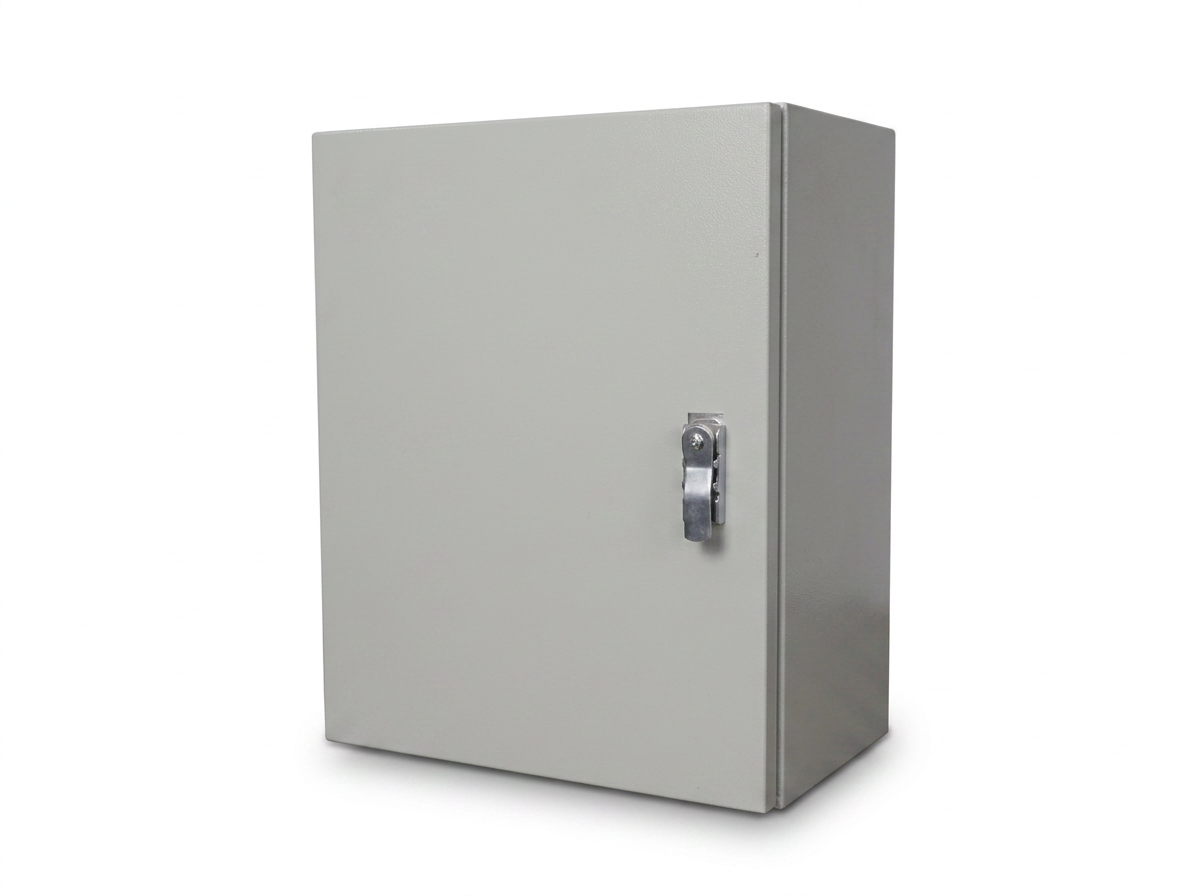
HydroHub™ DH-Power Heavy-Duty PEM Enhancement System
- Application
- Up to 16.0 L
- Output
- 900 ml/min max
- Voltage
- 12 / 24 V DC
- Power
- 160 W
Free worldwide delivery, DDP
Duties & taxes are included on most destinations. Select your country for the exact arrangement.
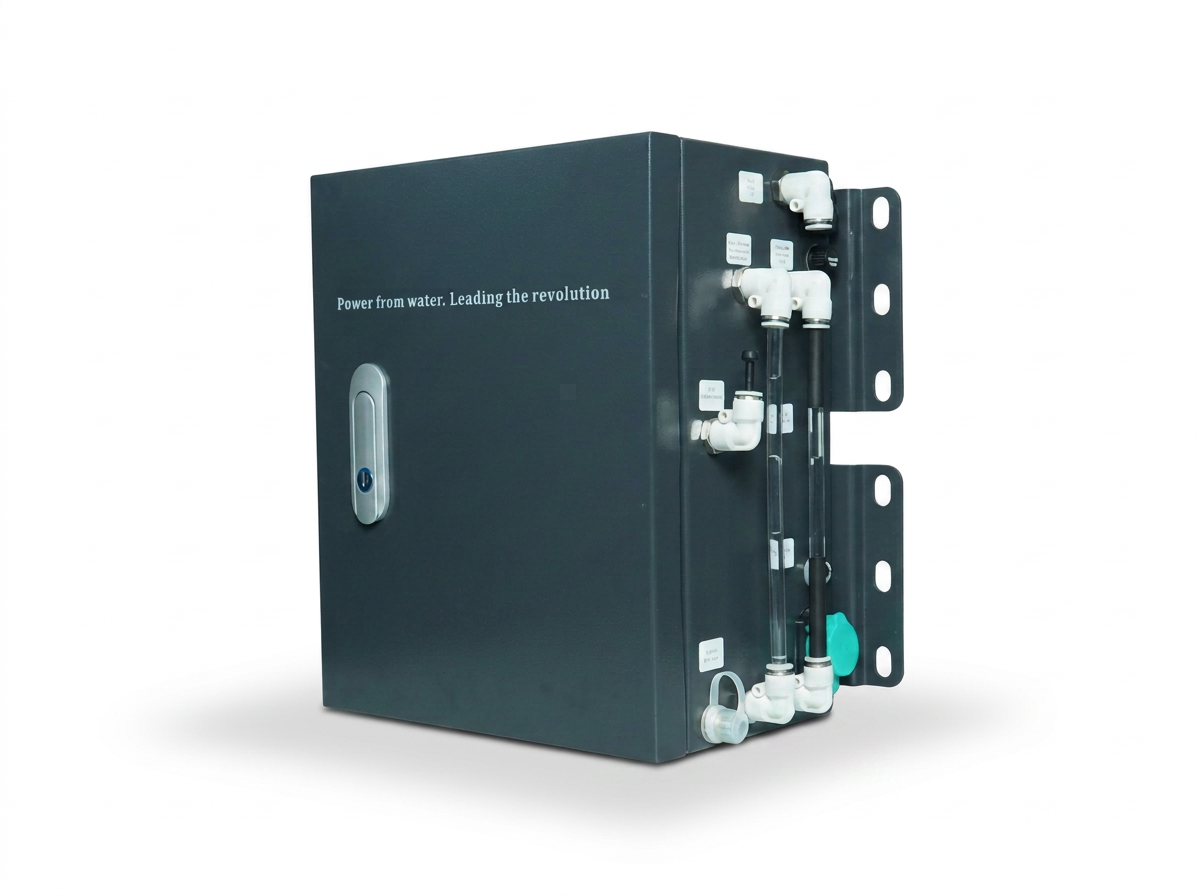
HydroHub™ H-Power Heavy-Duty PEM Enhancement System
- Application
- Up to 7.0 L
- Output
- 900 ml/min
- Voltage
- 12 / 24 V DC
- Power
- 160 W
Free worldwide delivery, DDP
Duties & taxes are included on most destinations. Select your country for the exact arrangement.
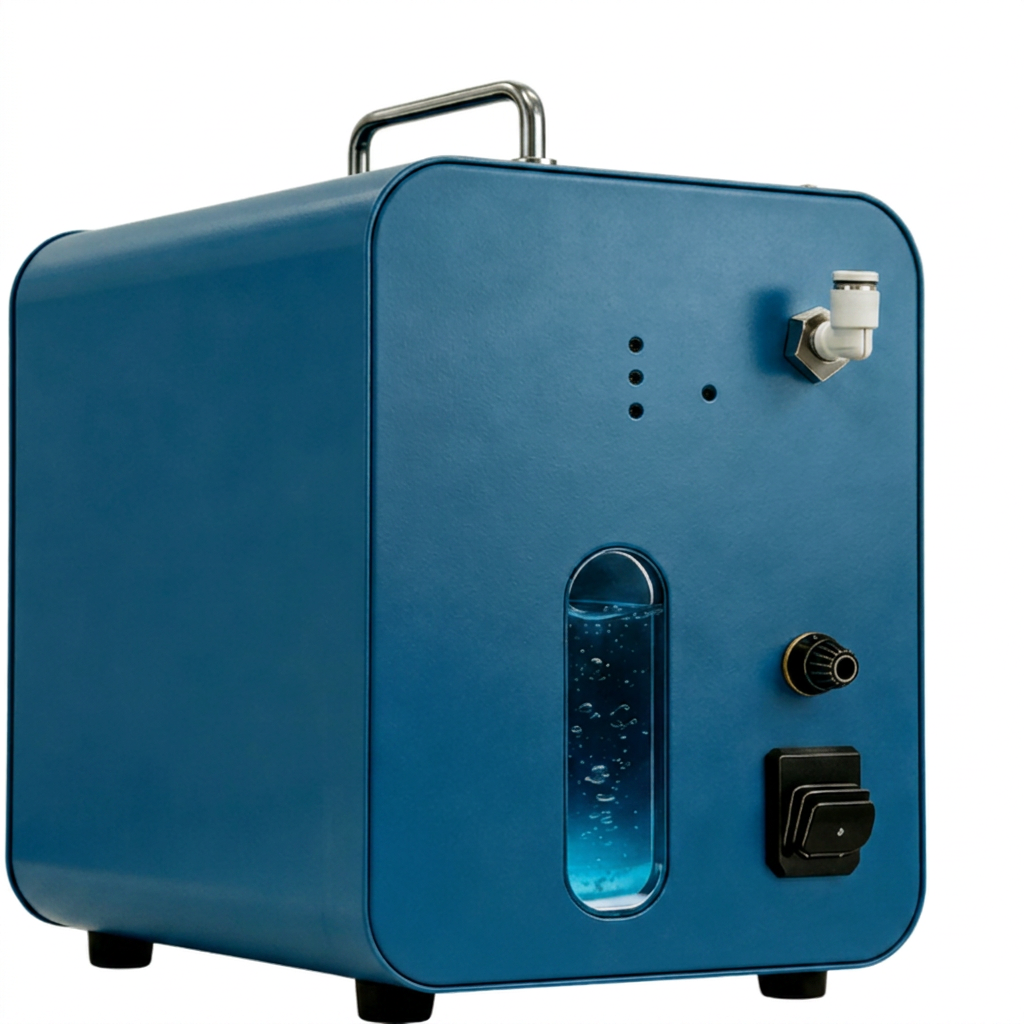
HydroHub™ A-675 PEM Engine Enhancement System
- Application
- 2.0 – 2.5 L
- Output
- 675 ml/min
- Voltage
- 12 – 24 V DC
- Power
- 130 W
Free worldwide delivery, DDP
Duties & taxes are included on most destinations. Select your country for the exact arrangement.
What this environment does to the hardware.
Nothing stored aboard
Gas is produced on demand and consumed by the engine. There is no cylinder or accumulator, which is usually the first question a surveyor or insurer asks.
Salt-air exposure
Mount in a ventilated engine space clear of direct spray, and terminate the DC connections to the same standard as the vessel's existing electrical system.
Vibration and motion
PEM cells use a solid membrane and deionised water — there is no caustic liquid electrolyte to slosh or spill in a seaway. The cabinet is vibration-isolated at the mount.
Survey and documentation
Survey requirements depend on vessel category and flag. We provide gas output, current draw and installation records for your surveyor; approval remains their determination.
Water and consumables
Deionised water plus a replacement resin filter every 6–9 months. Both stow easily as spares for extended voyages.
Measuring honestly at sea
Sea state, fouling and loading dominate fuel burn. Use flow-meter data at repeated fixed load points, and keep hull and propeller condition constant across the comparison.
Recommended trial sequence.
- 01Select one vessel and confirm mounting location with a marine-qualified installer
- 02Log baseline litres per hour at three or more defined engine load points
- 03Repeat the baseline runs to establish normal variation before fitting anything
- 04Fit one unit and record the installation, current draw and gas output
- 05Repeat the same load points under comparable sea state and loading
- 06Compare against the baseline spread, not against a single best run
Model your own numbers.
Enter your fuel burn, hours and the reduction you want to model. Scenario only — not a savings prediction.
Fuel Cost Scenario Calculator
Scenario modelling, not a savings prediction. You choose the assumed reduction — we never suggest a figure is typical or expected.
Remote diesel costs what it cost to deliver, not bowser price. Landed cost vs pump price →
Scenario modelling — pick a reduction to evaluate. Not a prediction.
Recommended: D-900 for generator-set duty. Payback is calculated against sets × system delivered price.
Results are illustrative only. Actual performance depends on engine condition, duty cycle, fuel quality, installation and operating conditions.
Field evaluation is required before any commercial decision. Fleet Trial Programme →
How we report performance.
No projected, typical or expected fuel-saving figure is published. Actual results vary materially with engine condition, duty cycle, load profile, fuel quality, installation and operating conditions. A controlled field evaluation on your own equipment, with baseline data captured before installation, is required before any commercial projection.
These are combustion-enhancement devices. No emissions-compliance or fuel-saving guarantee is expressed or implied. Professional installation and controlled field evaluation are recommended.
Free worldwide delivery. Duties & taxes included on most destinations; where pre-payment isn't permitted, the carrier collects them on arrival. 12-month manufacturer warranty. See Shipping & duties by country for the exact arrangement for your destination.
- · Remote-site fuel logistics cost — landed cost versus pump price, and why the same honest percentage moves more money.
- · Idle & part-load duty cycles — where the published literature reports the most room, and where it reports least.
- · Hydrogen with biodiesel blends — per-study findings on blended fuels, with the NOx trade-off disclosed.
- · Visible smoke reduction — smoke opacity findings per study.
Questions.
Can a hydrogen enhancement unit be fitted to a marine diesel engine?
- Yes, on the same basis as a road or industrial engine: gas is introduced into the intake path and no fuel-system, ECU or exhaust component is modified. What changes on a vessel is the installation environment — mounting location, salt-air exposure, ventilation of the engine space and how the unit is powered from the vessel's 12 or 24 V DC system. Installation should be carried out by a marine-qualified installer working to the vessel's own survey and electrical requirements.
Which HydroHub unit suits a vessel?
- Displacement decides it. The HydroHub A-450, A-675 and A-900 cover smaller auxiliary and outboard-scale diesels up to 7.0 litres in a compact cabinet. The HydroHub H-Power covers engines up to 7.0 litres in a heavy-duty continuous-duty cabinet, which suits commercial workboat main engines. The HydroHub DH-Power covers 7.0 to 16.0 litres for larger main propulsion and ship's service gensets.
Is hydrogen stored anywhere on the vessel?
- No. Gas is generated on demand from deionised water and consumed immediately by the engine. There is no cylinder, accumulator or stored volume aboard, which is the single most important point when discussing an installation with a surveyor or insurer.
How is salt air handled?
- The unit is housed in a sealed cabinet and should be mounted in a ventilated engine space clear of direct spray and green water, with electrical terminations protected to the same standard as the rest of the vessel's DC system. Corrosion management is the same discipline already applied to alternators, isolators and battery terminals aboard.
Does the vessel need a class or survey approval?
- That depends on the vessel's survey category and flag requirements, and it is a question for your surveyor or the relevant authority — not something we can determine on your behalf. We supply the equipment documentation, current draw, gas output and installation record that a surveyor will ask for.
How should a vessel operator measure the result?
- Fuel burn at sea varies with sea state, hull condition, loading and route, so a single passage comparison is not evidence. Log a baseline in litres per hour at defined engine loads over multiple runs, fit the unit, then repeat the same load points and compare. Flow-meter data at steady state is far more useful than tank-to-tank figures across dissimilar trips.
Continue reading.
Hydrogen combustion enhancement
What it is, how PEM gas reaches the cylinder, and what it does not do.
Engine performance improvement
Flame speed, burn completeness and load response on diesel engines.
Fuel efficiency
How to baseline and measure litres per 100 km or litres per hour.
Emissions reduction
Soot, particulate and unburnt-fuel behaviour, and how to test it.
Visible smoke reduction
Smoke opacity findings per study, with the NOx trade-off disclosed.
Remote-site fuel logistics cost
Landed cost versus pump price, and why the same percentage moves more money.
Generator-set classes
Camp, prime, standby, rental, telecom, irrigation and ship's service sets compared.
Idle & part-load duty cycles
Reefers, camp gensets and high-idle plant — where the literature reports most room.
Hydrogen with biodiesel blends
Per-study findings for hydrogen enrichment on biodiesel, NOx disclosed.
Installation guide
Nine-step fitting sequence: mounting, wiring, gas line, commissioning.
Safety & compliance
On-demand gas, no storage, alarms, shutdowns and reversibility.
Troubleshooting
Alarms, low gas output, water quality and no-start diagnostics.
Case studies & field results
Published operator data and trial methodology.
Compare PEM systems
A-450 to DH-Power side by side: displacement, output, current draw.
Does it actually work? Evidence review
The published literature, the FTC/EPA history and the ACL context.
How it works
Gas path and established physics, explained with diagrams.
PEM vs alkaline
Membrane on water versus caustic KOH: servicing, purity, cost.
Sizing combined gas
Why PEM and alkaline gas-volume benchmarks are not interchangeable for ICE sizing.
Four hydrogen technologies
Enhancement vs H2ICE vs fuel cell vs chemical generation.
Compared with Hydrogen Fuel Systems
Honest comparison with the Perth-based Gen alkaline range.
Compared with H2i Technology
Hardware, pricing and evidence transparency versus the Victorian supplier.
Compared with dynaCERT HydraGEN
PEM versus alkaline, published price versus dealer quote, Verra versus ACCU.
Compared with HYDI
The South Australian manufacturer: UniSA testing, field history and quote path.
AU installation, warranty & safety
VSB 14 and VSB 6, ACL guarantees and documentation to keep.
Mining fleets
Haul trucks, dozers, drill rigs and site gensets: unit selection and dust.
Agriculture
Tractors, headers, pump sets and farm trucks across seasonal duty.
FAQ
Answers on fitment, water, warranty, freight and duty cycles.