
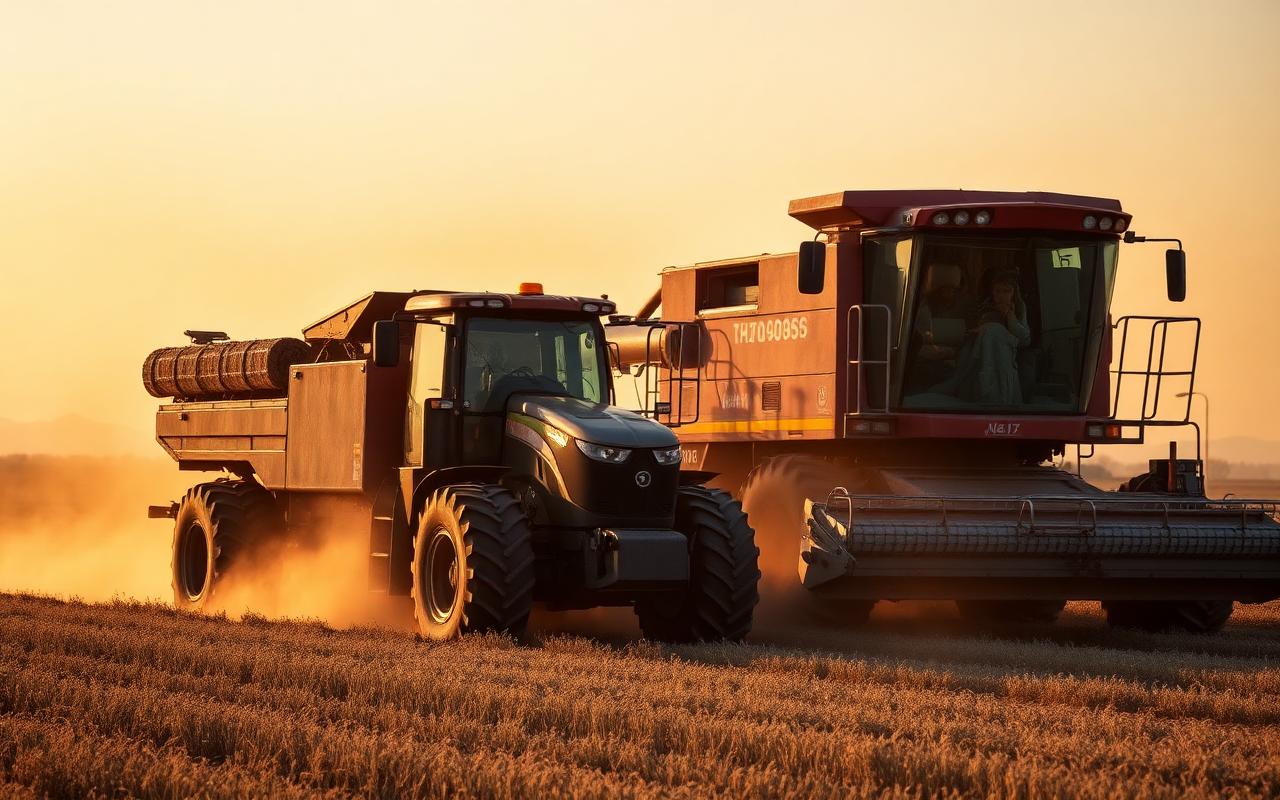
Entry point 01
Trucks & haulage
Medium-duty trucks through to prime movers and road trains. A-900 single unit or stacked heavy-duty configuration matched to 2.7–16 L diesel platforms.
View application details →This is the index for every application vertical we cover. Each page below is a full technical page in its own right: what makes that application's engines and duty cycle distinct, which HydroHub unit fits, the published evidence that actually applies, and a measured trial protocol. Start with the vertical closest to your duty cycle — not just to your industry name.
Suitable for diesel 4×4 fleet vehicles, compatible with mining and off-road transport, and ideal for utes, vans, and 4WD fleet vehicles.
Compatibility statement only. It describes vehicle categories the hardware can be fitted to and makes no claim about performance, fuel use, emissions, mechanical outcomes, roadworthiness certification or mining-regulation compliance.
Unit selection is decided by engine displacement, between roughly 1.4 and 16.0 litres. Everything else — mounting, protection, servicing interval and how you measure the result — is decided by the application. That is what these pages cover.
Haul trucks, articulated dumpers, production dozers, loaders, drill rigs and camp gensets. Dust, pit heat and remote servicing decide as much as displacement does, and carted fuel changes what a percentage is worth.
mining fleet fuel efficiency
Workboats, charter and dive vessels, ferries and ship's service gensets. Nothing is stored aboard — gas is made on demand — which is normally a surveyor's first question.
marine diesel fuel efficiency
Extended offshore duty: long transits, trawl and haul cycles, deck hydraulics and reefer drives. Bunkered fuel cost and days-at-sea reliability drive the arithmetic.
fishing vessel fuel efficiency
Tractors, headers, sprayers, farm trucks and irrigation pump sets. Seasonal idle periods, on-farm water quality and distance from a dealer shape the specification.
tractor fuel efficiency
Two duty profiles in one sector: mainline locomotives on long steady high-load hours, and shunting, yard-switching and rail-maintenance plant on stop-start duty with heavy idle.
diesel locomotive fuel efficiency
Rig power packs, mud pumps, air compressors and pad plant running long steady-state hours where fuel is trucked in and every litre carries a freight cost.
drilling rig fuel consumption
Urban route buses, coaches and midibuses. Stop-start duty with high idle fractions, depot-based servicing and public-facing smoke visibility all matter here.
bus fleet fuel efficiency
Compactor and side-loader trucks: hundreds of stops per shift, heavy idle and stationary PTO load — the duty profile the published literature reports most room on.
garbage truck fuel efficiency
Underground headings, tunnels and enclosed workshops where diesel particulate and ventilation load are the operating constraint before fuel cost is.
underground mining diesel particulate
Stationary diesel gensets on continuous and prime duty from 100–500 kVA — remote camps, telecom sites and standby plant fed from the set's own starting battery.
diesel generator fuel efficiency
Camp, prime, standby, rental, telecom, irrigation and ship's service sets compared class by class, with the load factor each one actually runs at.
prime vs standby genset
The mechanism, the technology category and the published literature do not change between industries — so they live in one place and each vertical links to them. Read these once and the vertical pages become shorter and more useful.
The published literature, the FTC/EPA history and how we frame claims under Australian Consumer Law.
Membrane on deionised water versus caustic KOH: gas purity, servicing burden and lifetime cost.
The gas path from water to cylinder, and the established combustion physics behind it.
Combustion enhancement versus H2ICE, fuel cells and chemical generation — what this is not.
Where the literature reports the most room: high idle, low load, stop-start work.
Landed cost versus pump price, and why the same honest percentage moves more money.
Smoke-opacity findings per study, with the NOx trade-off disclosed up front.
Per-study findings on blended fuels, including where results do not hold.
Where your mix is broader than a single sector, start here and move to the vertical pages above for the duty-cycle detail.
Medium-duty trucks through to prime movers and road trains. A-900 single unit or stacked heavy-duty configuration matched to 2.7–16 L diesel platforms.
View application details →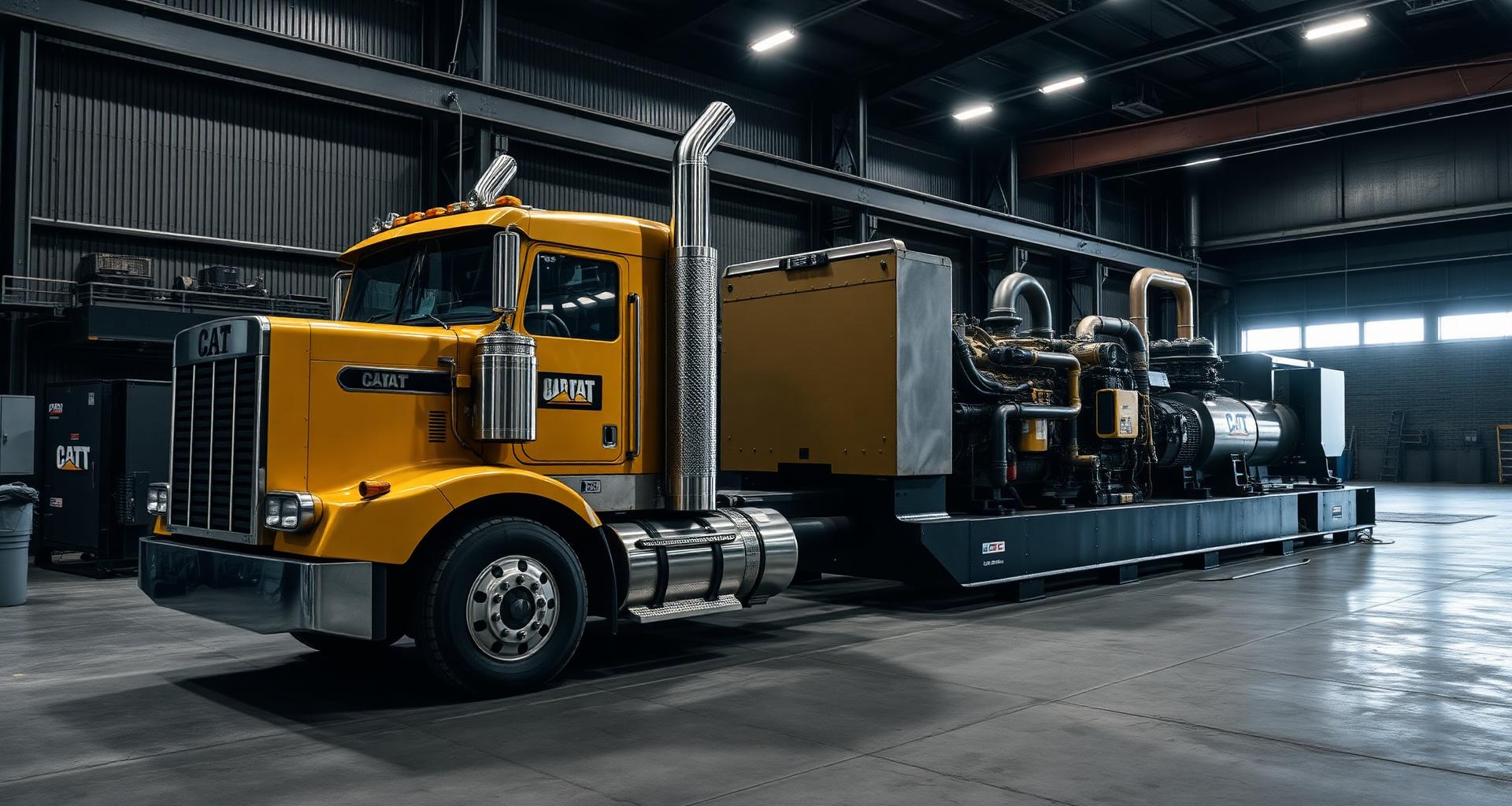
Mixed passenger and light commercial rollout using the A-450, A-675 and A-900 platforms. Common installation pattern and reporting across vehicle classes.
View application details →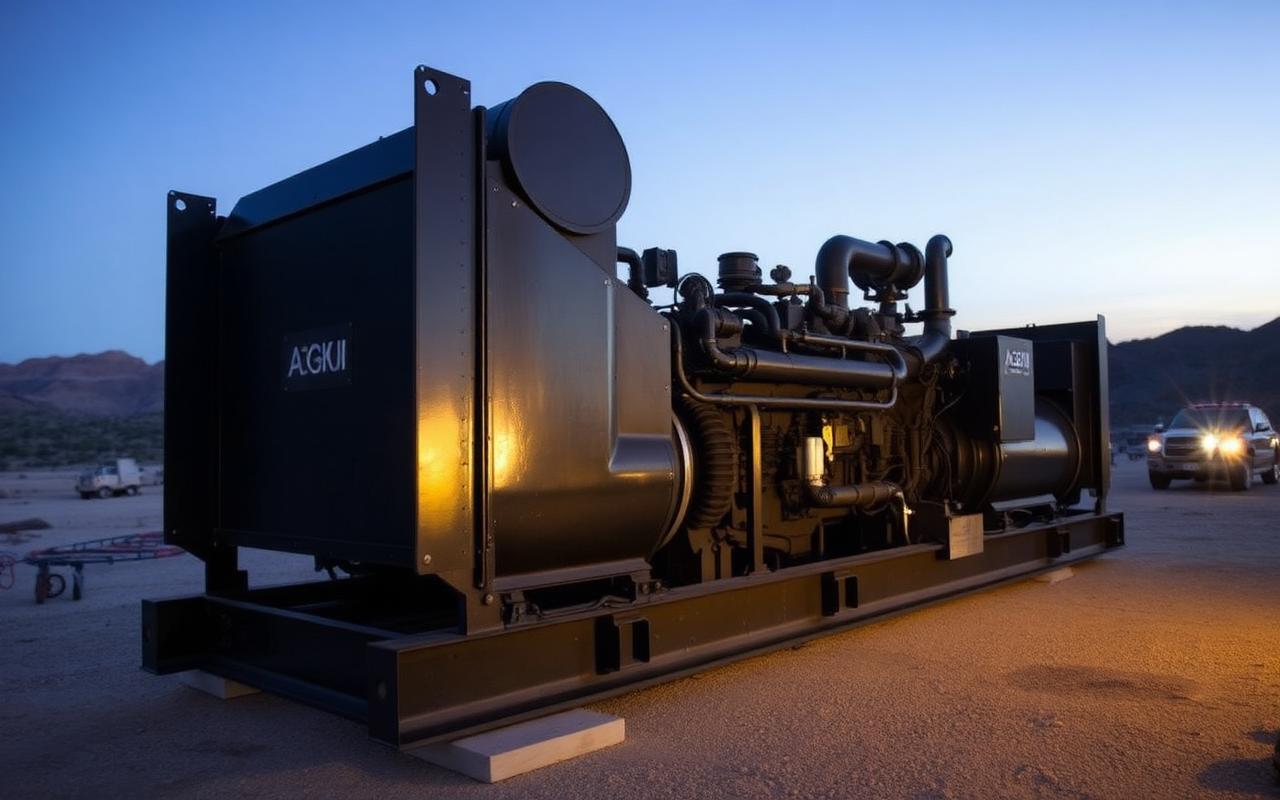
Continuous-duty heavy-duty A-900 configuration for stationary diesel gensets 100–500 kVA — mining auxiliary power, remote sites and prime power.
View application details →These are combustion-enhancement devices. No emissions-compliance or fuel-saving guarantee is expressed or implied. Professional installation and controlled field evaluation are recommended.