
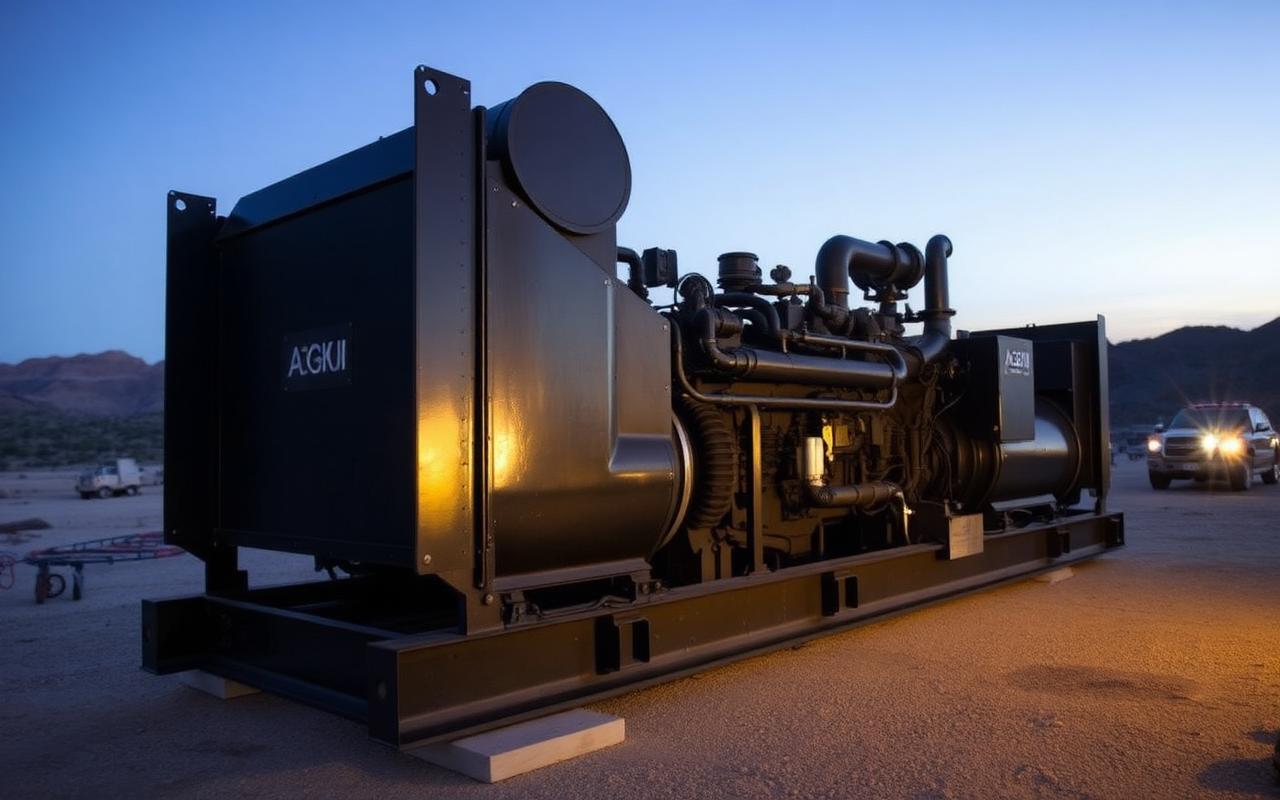
Diesel & Natural-Gas Generator Sets
20 – 30 kW generator sets commonly use 2.5 – 4.5 L engines. The HydroHub™ H-Power is the recommended unit — heavy-duty industrial cabinet, 900 ml/min hydrogen output, rated up to 7.0 L. The flagship HydroHub DH-Power extends coverage up to 16.0 L for large stationary plant. Units feed directly from the generator starting battery at 12 / 24 V DC, avoiding the older AC-inverter arrangement.
PEM units suited to generator-set duty
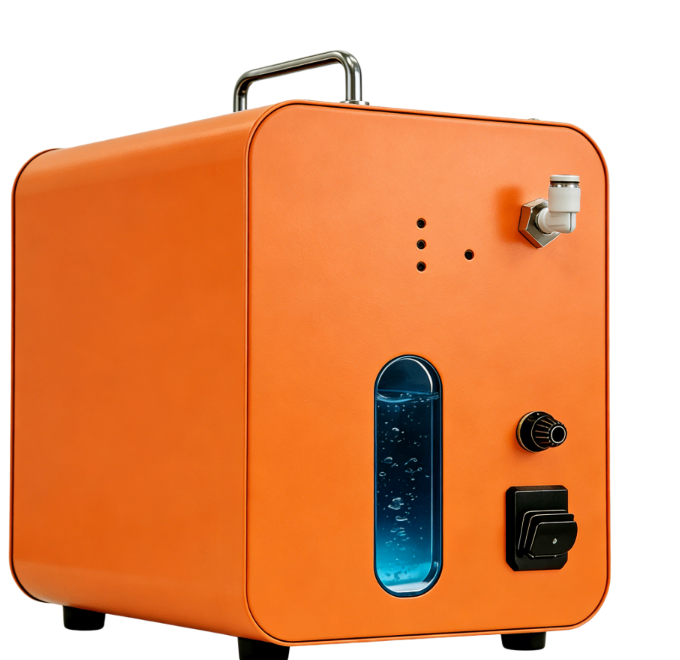
HydroHub™ A-900 PEM Engine Enhancement System
- Application
- 2.7 – 7.0 L
- Output
- 900 ml/min
- Voltage
- 12 – 24 V DC
- Power
- 170 W
Free worldwide delivery, DDP
Duties & taxes are included on most destinations. Select your country for the exact arrangement.
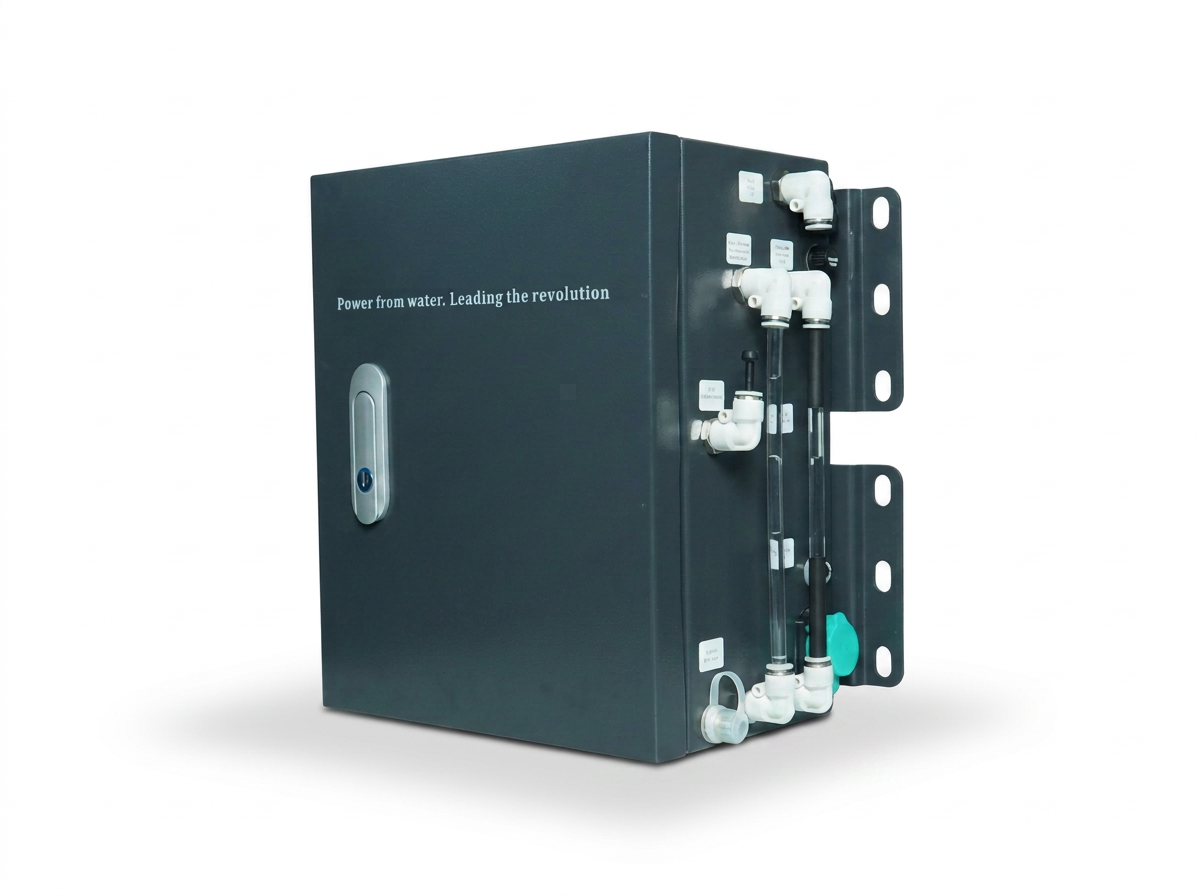
HydroHub™ H-Power Heavy-Duty PEM Enhancement System
- Application
- Up to 7.0 L
- Output
- 900 ml/min
- Voltage
- 12 / 24 V DC
- Power
- 160 W
Free worldwide delivery, DDP
Duties & taxes are included on most destinations. Select your country for the exact arrangement.
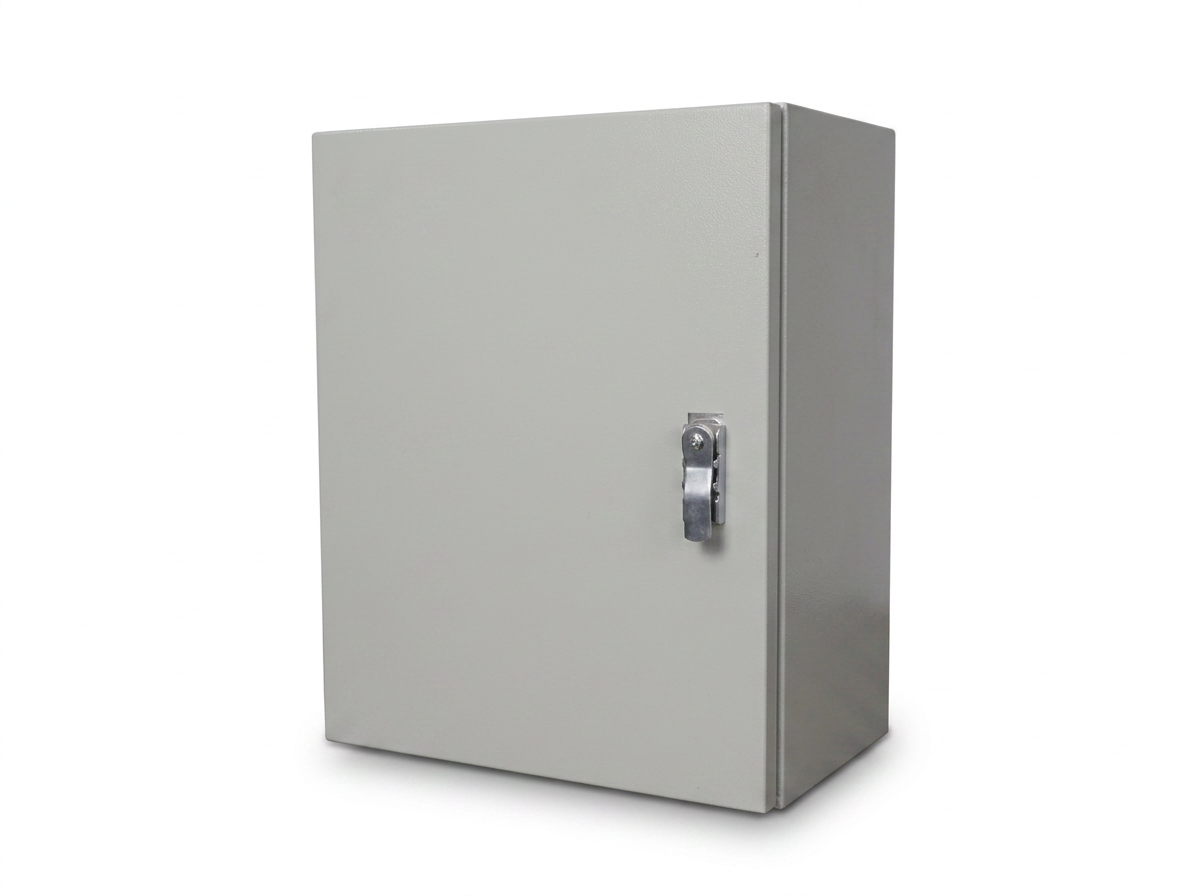
HydroHub™ DH-Power Heavy-Duty PEM Enhancement System
- Application
- Up to 16.0 L
- Output
- 900 ml/min max
- Voltage
- 12 / 24 V DC
- Power
- 160 W
Free worldwide delivery, DDP
Duties & taxes are included on most destinations. Select your country for the exact arrangement.
Compact vehicle and light commercial duty cycles up to 7.0 L. Not specified as the primary genset unit — choose the HydroHub H-Power for continuous-duty installations.
Recommended unit for 20 – 30 kW generator sets. 900 ml/min output in an industrial cabinet — vibration-isolated, behind-cab / pad-mount, onboard ion-exchange polisher, continuous-duty packaging.
Large stationary plant and engines 7 – 16 L. 4 L reservoir for extended autonomy on continuous-duty industrial installations.
Model the economics for your generator set
Enter your L/hr, operating hours and the reduction you want to model. Scenario only — not a savings prediction.
Fuel Cost Scenario Calculator
Scenario modelling, not a savings prediction. You choose the assumed reduction — we never suggest a figure is typical or expected.
Remote diesel costs what it cost to deliver, not bowser price. Landed cost vs pump price →
Scenario modelling — pick a reduction to evaluate. Not a prediction.
Recommended: D-900 for generator-set duty. Payback is calculated against sets × system delivered price.
Results are illustrative only. Actual performance depends on engine condition, duty cycle, fuel quality, installation and operating conditions.
Field evaluation is required before any commercial decision. Fleet Trial Programme →
Recommended generator-set trial protocol
- 01Instrument one generator set
- 02Baseline fuel burn at steady load
- 03Install one unit
- 04Compare fuel burn, smoke, combustion stability and operating condition
- 05Add a second unit in parallel only if response is below target
What the manufacturer test data shows
No projected, typical or expected fuel-saving figure is published. Actual results vary materially with engine condition, duty cycle, load profile, fuel quality, installation and operating conditions. A controlled field evaluation on your own equipment, with baseline data captured before installation, is required before any commercial projection.
These are combustion-enhancement devices. No emissions-compliance or fuel-saving guarantee is expressed or implied. Professional installation and controlled field evaluation are recommended.
Free worldwide delivery. Duties & taxes included on most destinations; where pre-payment isn't permitted, the carrier collects them on arrival. 12-month manufacturer warranty. See Shipping & duties by country for the exact arrangement for your destination.
Generator-set questions.
Which HydroHub unit suits a diesel generator set?
- Engine displacement decides it, not kVA rating. The HydroHub H-Power covers most sets up to 7.0 litres and is the usual recommendation for continuous-duty generation; the D-900 covers 7.0 to 16.0 litres, which takes in most 250–500 kVA prime sets. Above 16.0 litres the arrangement is quoted as a multi-unit installation.
How is the unit powered on a stationary set?
- Directly from the generator's own starting battery and charging circuit at 12 or 24 V DC. There is no AC-inverter arrangement and no separate supply to install, which is why the retrofit is straightforward on both containerised and open sets.
Does load factor change what a genset can expect?
- Yes, and it is the single most important variable. Lightly loaded standby and camp sets spend their hours in the part-load band where the published literature reports the most room; heavily loaded prime sets running near rated output report the least. Baseline your own set at its real load factor rather than at a test bank figure.
What servicing does a remote generator set need?
- Deionised water and a replacement resin filter every 6 to 9 months. Both are store items, so no specialist visit or proprietary chemical is built into the service interval — which matters on sites hundreds of kilometres from a dealer.
Is any gas stored in or near the genset enclosure?
- No. Hydrogen and oxygen are generated on demand from deionised water and consumed immediately by the engine, so there is no cylinder, accumulator or stored volume anywhere in the installation.
Generator applications by sector.
Camp, prime, standby and ship's service sets sit inside these verticals — each with its own duty cycle and measurement approach.
Generator-set classes →
Camp, prime, standby, rental, telecom, irrigation and ship's service sets compared class by class, with the load factor each one actually runs at.
Mining fleets →
Haul trucks, articulated dumpers, production dozers, loaders, drill rigs and camp gensets. Dust, pit heat and remote servicing decide as much as displacement does, and carted fuel changes what a percentage is worth.
Drilling rigs →
Rig power packs, mud pumps, air compressors and pad plant running long steady-state hours where fuel is trucked in and every litre carries a freight cost.
Confined space & underground →
Underground headings, tunnels and enclosed workshops where diesel particulate and ventilation load are the operating constraint before fuel cost is.
Marine →
Workboats, charter and dive vessels, ferries and ship's service gensets. Nothing is stored aboard — gas is made on demand — which is normally a surveyor's first question.
Agriculture →
Tractors, headers, sprayers, farm trucks and irrigation pump sets. Seasonal idle periods, on-farm water quality and distance from a dealer shape the specification.
All applications — the full vertical index →·Partner program →