
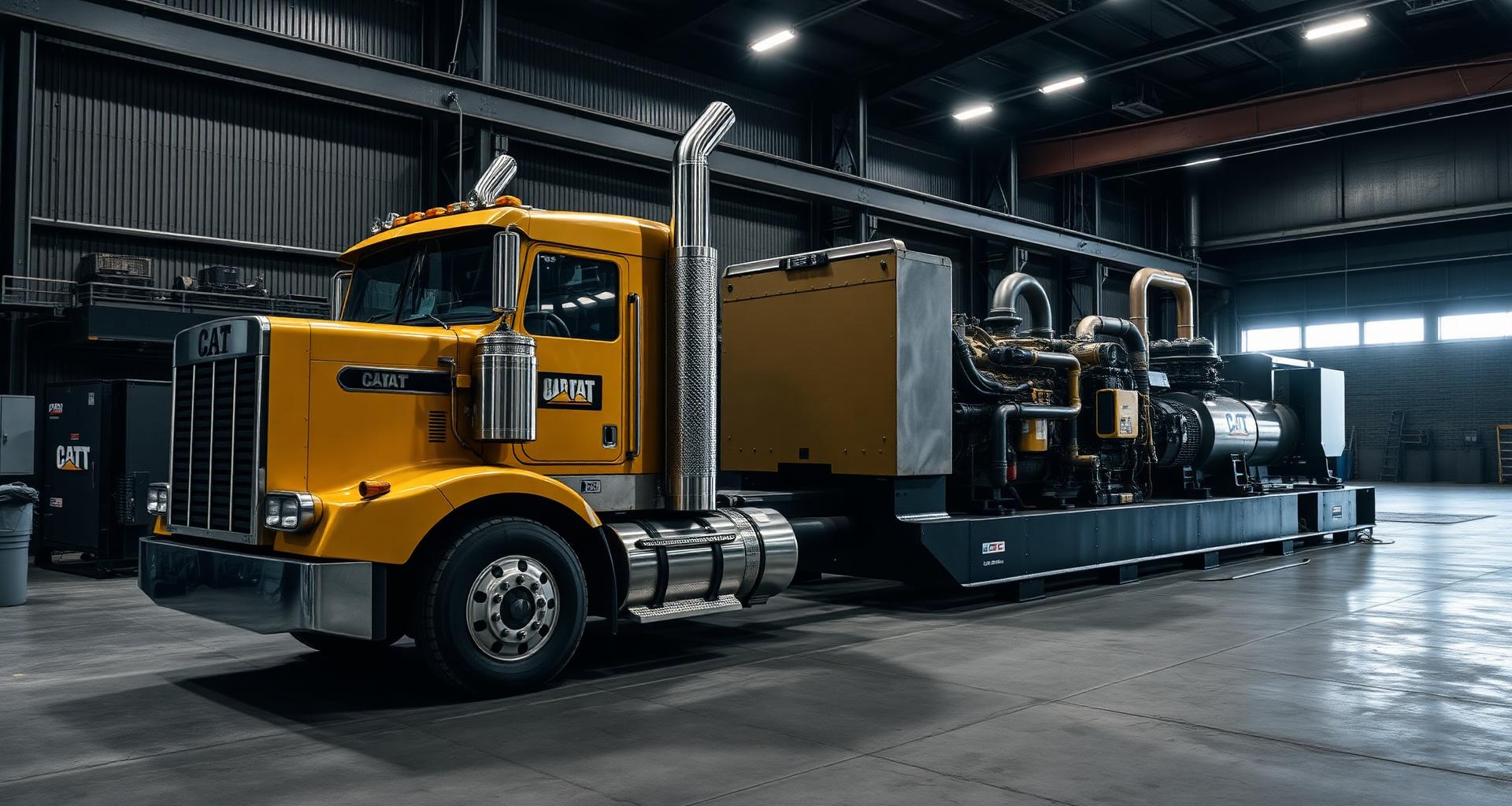
Hydrogen combustion enhancement for bus and transit fleets.
Route buses and public-sector transit fleets run a stop-start urban duty cycle with heavy idle and repeated acceleration — a different combustion picture from line-haul trucking. HydroHub PEM units fit buses, coaches and midibuses as a reversible, bolt-on retrofit with no ECU calibration change, and the hardware is bought outright at published prices, which makes a documented trial straightforward to scope.
Can hydrogen combustion enhancement be fitted to buses and transit fleets?
Yes. A PEM unit generates hydrogen and oxygen on demand from deionised water and feeds it into the engine's intake path, so it fits a bus as a bolt-on, fully reversible retrofit with no ECU calibration change and no emissions hardware altered. The HydroHub DH-Power covers 7.0 to 16.0 litre engines for full-size buses and coaches; the HydroHub H-Power covers up to 7.0 litres for midibuses and shuttles. Urban stop-start duty should be baselined on its own terms — litres per route-kilometre over a fixed route set, not hours alone.
- Full-size urban buses and coaches: HydroHub™ DH-Power (7.0–16.0 L)
- Midibuses, community transport and shuttles: HydroHub™ H-Power or A-900
- Compatible with DPF, SCR, EGR and AdBlue after-treatment
- 12 / 24 V DC from the vehicle — no inverter, no depot reticulation
- Gas generated on demand; nothing stored on the vehicle
- Reversible: units can be moved between vehicles during a trial
- Full-size bus
- HydroHub™ DH-Power
- Midibus / shuttle
- H-Power or A-900
- Supply
- 12 / 24 V DC
- Consumable
- Resin filter 6–9 mo
The evidence and sector pages this vertical builds on.
Idle & part-load duty cycles →
The core usage case for urban transit: what the published literature reports for idle-heavy and low-load operation.
Fleet trials →
How to structure a staged, documented trial before any fleet-wide decision.
AU installation, warranty & safety →
VSB 14 and VSB 6 context, ACL guarantees and the documentation to keep on file.
Unit selection by equipment class.
| Equipment class | Typical displacement | Recommended unit | Notes |
|---|---|---|---|
| Full-size urban route bus | 7 – 11 L | HydroHub™ DH-Power | Heavy idle and stop-start; measure litres per route-kilometre over a fixed route set. |
| Articulated bus | 10 – 13 L | HydroHub™ DH-Power | High transient load; keep the roster and route constant across the comparison. |
| Touring / school coach | 9 – 13 L | HydroHub™ DH-Power | More cruise-dominated duty; baseline on a repeated line-haul route. |
| Midibus & community transport | 3.0 – 7.0 L | HydroHub™ H-Power | Compact behind-panel or underfloor cabinet mounting. |
| Light shuttle & minibus | 2.0 – 3.0 L | HydroHub™ A-675 / A-900 | Same installation pattern as light commercial vehicles. |
| Depot & workshop gensets | 2.5 – 16 L | H-Power or D-900 | Continuous duty; fed from the set's starting battery. |
PEM units suited to this duty.
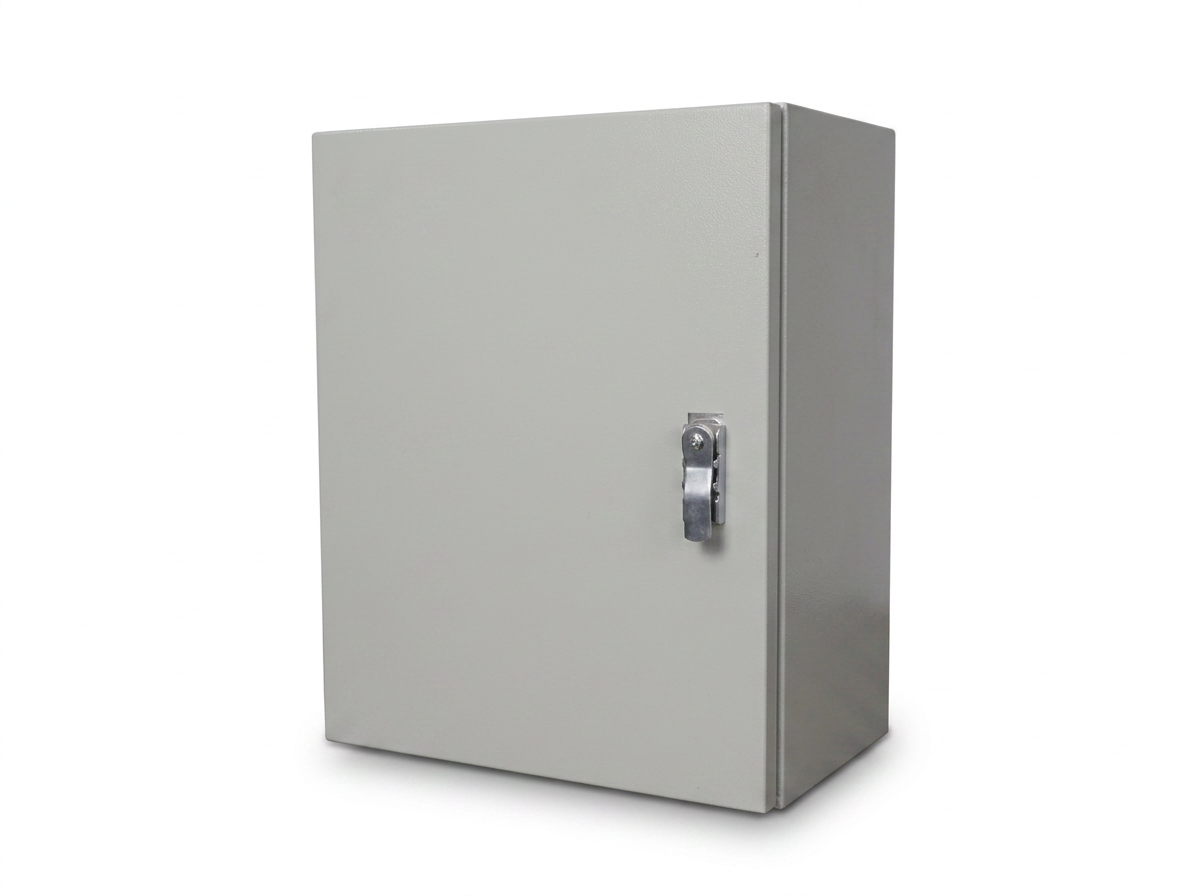
HydroHub™ DH-Power Heavy-Duty PEM Enhancement System
- Application
- Up to 16.0 L
- Output
- 900 ml/min max
- Voltage
- 12 / 24 V DC
- Power
- 160 W
Free worldwide delivery, DDP
Duties & taxes are included on most destinations. Select your country for the exact arrangement.
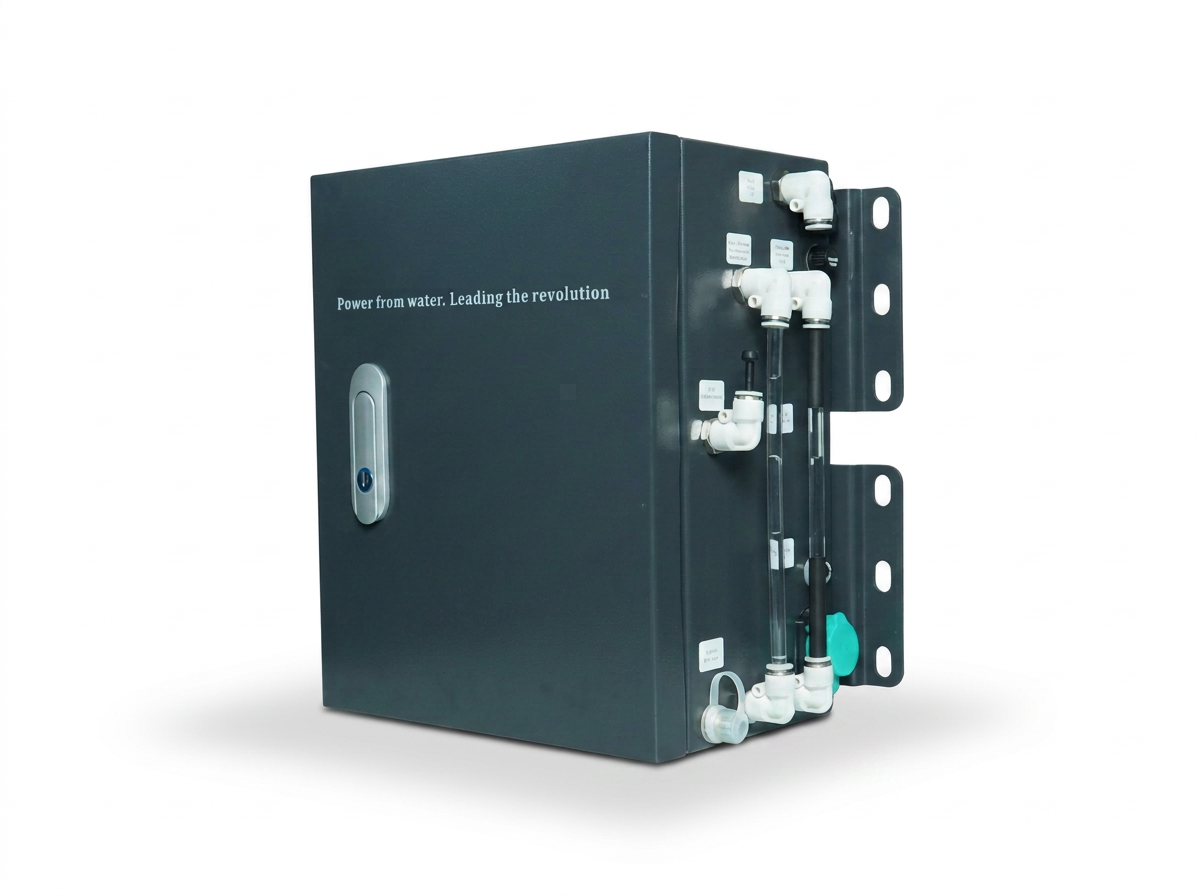
HydroHub™ H-Power Heavy-Duty PEM Enhancement System
- Application
- Up to 7.0 L
- Output
- 900 ml/min
- Voltage
- 12 / 24 V DC
- Power
- 160 W
Free worldwide delivery, DDP
Duties & taxes are included on most destinations. Select your country for the exact arrangement.
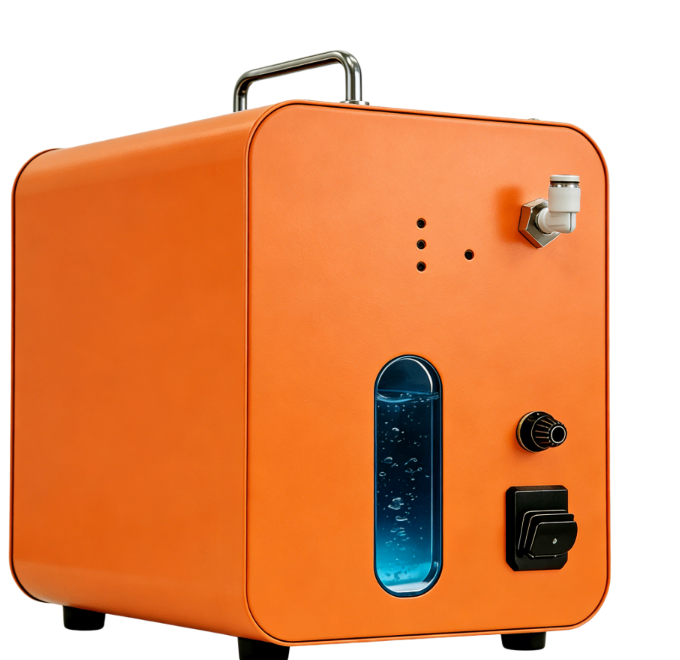
HydroHub™ A-900 PEM Engine Enhancement System
- Application
- 2.7 – 7.0 L
- Output
- 900 ml/min
- Voltage
- 12 – 24 V DC
- Power
- 170 W
Free worldwide delivery, DDP
Duties & taxes are included on most destinations. Select your country for the exact arrangement.
What this environment does to the hardware.
Stop-start urban duty
Route work is dominated by idle, creep and repeated acceleration. That is a different combustion condition from cruise load, so measure it on its own terms rather than borrowing line-haul assumptions.
Fixed routes help measurement
Transit fleets have an advantage most operators do not: routes, stops and timetables repeat. That makes a like-for-like baseline and comparison unusually clean if the route set and roster are held constant.
Public-fleet documentation
We supply the installation record, technical specification and warranty terms in writing so an evaluation file can be assembled without chasing a dealer for a quote-based process.
After-treatment compatibility
Nothing is removed or defeated. Gas enters the intake path and DPF, SCR, EGR and AdBlue systems continue to operate as designed.
Depot servicing
Deionised water and a resin filter every 6–9 months, held in the depot store and folded into existing scheduled maintenance.
Reversibility across a roster
Because the fitment is reversible, units can be rotated across vehicles during an evaluation and returned to standard configuration afterwards.
Recommended trial sequence.
- 01Define the evaluation scope in writing, including the measurement method
- 02Select a fixed route set and hold the roster constant for the whole evaluation
- 03Baseline fuel burn per route-kilometre over a representative period
- 04Fit units to the trial buses and record each installation against the fleet number
- 05Run the same routes and rosters and compare like-for-like
- 06Report against the stated method and only extend if the measured result meets your threshold
Model your own numbers.
Enter your fuel burn, hours and the reduction you want to model. Scenario only — not a savings prediction.
Fuel Cost Scenario Calculator
Scenario modelling, not a savings prediction. You choose the assumed reduction — we never suggest a figure is typical or expected.
Remote diesel costs what it cost to deliver, not bowser price. Landed cost vs pump price →
Scenario modelling — pick a reduction to evaluate. Not a prediction.
Recommended: D-900 for this application. Payback is calculated against vehicles × system delivered price.
Results are illustrative only. Actual performance depends on engine condition, duty cycle, fuel quality, installation and operating conditions.
Field evaluation is required before any commercial decision. Fleet Trial Programme →
How we report performance.
No projected, typical or expected fuel-saving figure is published. Actual results vary materially with engine condition, duty cycle, load profile, fuel quality, installation and operating conditions. A controlled field evaluation on your own equipment, with baseline data captured before installation, is required before any commercial projection.
These are combustion-enhancement devices. No emissions-compliance or fuel-saving guarantee is expressed or implied. Professional installation and controlled field evaluation are recommended.
Free worldwide delivery. Duties & taxes included on most destinations; where pre-payment isn't permitted, the carrier collects them on arrival. 12-month manufacturer warranty. See Shipping & duties by country for the exact arrangement for your destination.
- · Remote-site fuel logistics cost — landed cost versus pump price, and why the same honest percentage moves more money.
- · Idle & part-load duty cycles — where the published literature reports the most room, and where it reports least.
- · Hydrogen with biodiesel blends — per-study findings on blended fuels, with the NOx trade-off disclosed.
- · Visible smoke reduction — smoke opacity findings per study.
Questions.
Which HydroHub unit suits a bus or coach?
- Displacement decides it. The HydroHub DH-Power covers 7.0 to 16.0 litre engines, which is where most full-size urban buses and touring coaches sit. The HydroHub H-Power covers engines up to 7.0 litres, which covers midibuses, community transport and light shuttle vehicles.
Why is urban transit treated separately from general trucking?
- Duty cycle. Route buses spend a large share of their operating time at idle, in low-load creep and in repeated acceleration from stops, whereas line-haul trucking is dominated by sustained cruise load. Those are different combustion conditions, so they should be baselined and measured differently rather than assumed to behave the same way.
How do public-sector fleets usually evaluate this?
- Typically as a documented, staged trial rather than a fleet purchase. In practice that means a written evaluation scope, a fixed number of instrumented buses on a defined route set, a baseline period, a fitted period over the same routes and rosters, and a written report against the stated measurement method. Because our pricing is published and the hardware is bought outright, a trial can be scoped as a small capital purchase rather than a tender for a service contract. We supply the installation record and technical documentation needed for that file.
Does it affect the emissions system or the OEM warranty position?
- The installation is non-invasive and reversible: gas is introduced into the intake path and no ECU calibration, fuel-system component or emissions device is altered or removed. It is compatible with DPF, SCR, EGR and AdBlue after-treatment. We recommend documenting the installation and notifying the OEM dealer, and we provide the installation record for that purpose. Rights under the Australian Consumer Law are unaffected.
What does a depot need to stock?
- Deionised water and a replacement resin filter changed every 6 to 9 months — the same handling class as coolant, held in the depot store.
Can a unit be moved between buses?
- Yes. The retrofit is reversible, so a unit can be removed and refitted to another vehicle of the same displacement class, which suits trial work across a roster.
Continue reading.
Hydrogen combustion enhancement
What it is, how PEM gas reaches the cylinder, and what it does not do.
Engine performance improvement
Flame speed, burn completeness and load response on diesel engines.
Fuel efficiency
How to baseline and measure litres per 100 km or litres per hour.
Emissions reduction
Soot, particulate and unburnt-fuel behaviour, and how to test it.
Visible smoke reduction
Smoke opacity findings per study, with the NOx trade-off disclosed.
Remote-site fuel logistics cost
Landed cost versus pump price, and why the same percentage moves more money.
Generator-set classes
Camp, prime, standby, rental, telecom, irrigation and ship's service sets compared.
Idle & part-load duty cycles
Reefers, camp gensets and high-idle plant — where the literature reports most room.
Hydrogen with biodiesel blends
Per-study findings for hydrogen enrichment on biodiesel, NOx disclosed.
Installation guide
Nine-step fitting sequence: mounting, wiring, gas line, commissioning.
Safety & compliance
On-demand gas, no storage, alarms, shutdowns and reversibility.
Troubleshooting
Alarms, low gas output, water quality and no-start diagnostics.
Case studies & field results
Published operator data and trial methodology.
Compare PEM systems
A-450 to DH-Power side by side: displacement, output, current draw.
Does it actually work? Evidence review
The published literature, the FTC/EPA history and the ACL context.
How it works
Gas path and established physics, explained with diagrams.
PEM vs alkaline
Membrane on water versus caustic KOH: servicing, purity, cost.
Sizing combined gas
Why PEM and alkaline gas-volume benchmarks are not interchangeable for ICE sizing.
Four hydrogen technologies
Enhancement vs H2ICE vs fuel cell vs chemical generation.
Compared with Hydrogen Fuel Systems
Honest comparison with the Perth-based Gen alkaline range.
Compared with H2i Technology
Hardware, pricing and evidence transparency versus the Victorian supplier.
Compared with dynaCERT HydraGEN
PEM versus alkaline, published price versus dealer quote, Verra versus ACCU.
Compared with HYDI
The South Australian manufacturer: UniSA testing, field history and quote path.
AU installation, warranty & safety
VSB 14 and VSB 6, ACL guarantees and documentation to keep.
Mining fleets
Haul trucks, dozers, drill rigs and site gensets: unit selection and dust.
Marine
Workboats, charter, fishing and ship's service gensets — no gas stored aboard.
Agriculture
Tractors, headers, pump sets and farm trucks across seasonal duty.
FAQ
Answers on fitment, water, warranty, freight and duty cycles.